Skip to content

A collaborative lab built across disciplines

Our group brings together expertise in stem cell biology, tissue imaging, quantitative analysis, and translational medicine.

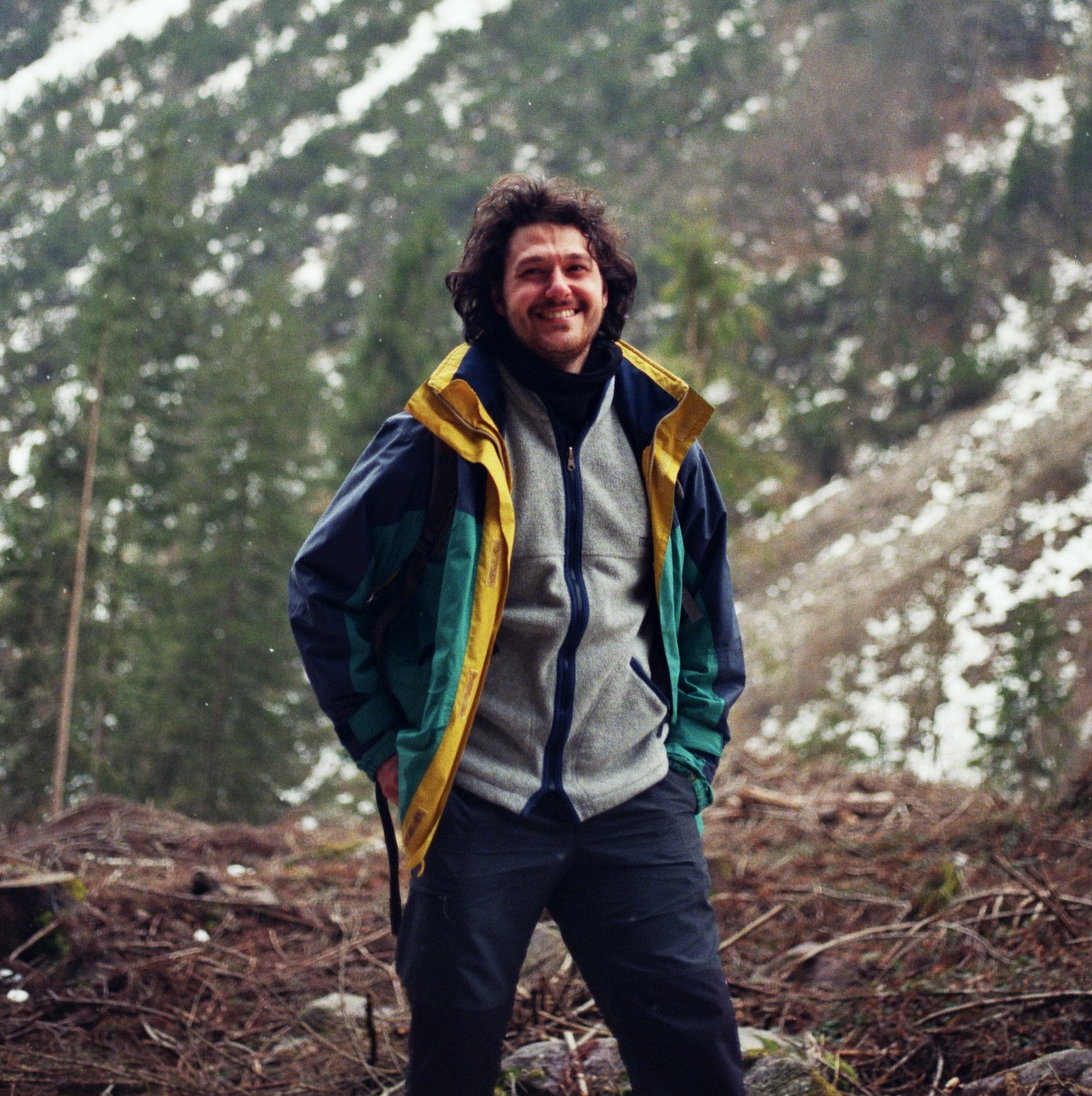
Headshot of Nereo Kalebic

Nereo Kalebic

Group leader

Nereo is a molecular and cell biologist whose research asks how cellular shape gives rise to brain complexity. Trained in molecular cell biology and neuroscience, he completed his PhD at EMBL Rome, where he studied the role of microtubule acetylation in nervous system development and function. As a postdoctoral researcher with Wieland Huttner at the Max Planck Institute of Molecular Cell Biology and Genetics in Dresden, he became fascinated by the evolutionary origins of the human brain and discovered that the morphological complexity of neural progenitors is tightly linked to their proliferative potential and to cortical expansion across mammals. He is now Senior Research Group Leader at Human Technopole in Milan, where his lab investigates how brain complexity is built during development and evolution, and how these same cellular principles are perturbed in neurodevelopmental disorders and exploited in brain tumors. By integrating experimental, quantitative and computational approaches, his work aims to reveal the cellular principles that generate human brain complexity and to use this knowledge toward new strategies for understanding and treating neurodevelopmental disorders and brain tumors
Headshot of Carlotta Barelli

Carlotta Barelli

PhD Student

Carlotta is a neurobiologist interested in the complexity of the human brain and its diseases. Carlotta graduated in Neuroscience at King’s College London where she studied the effects of viral infection on the fetal brain. During her PhD in neuro-oncology in the Kalebic lab at Human Technopole, Carlotta is investigating the role of stem cell morphology in glioblastoma aggressiveness. Her expertise lie in patient-derived in vitro models, advanced imaging and spatial transcriptomics.

Headshot of Ilaria Bertani

Ilaria Bertani

Senior technician

Ilaria Bertani is a Senior Research Technician in the Kalebic Lab. She has more than twenty years of experience in neurobiology, cell biology and microscopy, and provides high-level technical and organizational support to lab members while contributing to interdisciplinary projects focused on brain development and disease. She also mentors students and junior staff, and supports laboratory organization and resource management. Her expertise includes iPSC culture, brain organoids, primary neuronal cultures, histology, microscopy and animal models. Before joining Human Technopole, Ilaria gained extensive experience in leading Italian research institutions, including IRCCS Mario Negri Institute, the University of Insubria and the San Raffaele Telethon Institute for Gene Therapy. Her previous work focused on neurodegenerative diseases, traumatic brain injury, prion neurobiology, Rett syndrome and animal models of neurological disorders.

Headshot of Constança Cabral

Constança Cabral

MSc student

Constança is a Master’s student in Biotechnology and Synthetic Biology at the Faculty of Sciences of the University of Porto (Portugal), where she previously completed her Bachelor’s degree in Biochemistry. She is interested in cancer biology and joined the Kalebic Lab to study glioblastoma stem cells. Working with postdoctoral researcher Stefania Faletti, she investigates morphoregulatory vulnerabilities that may help uncover new therapeutic strategies for this aggressive brain tumor.

Headshot of Alberto Campione

Alberto Campione

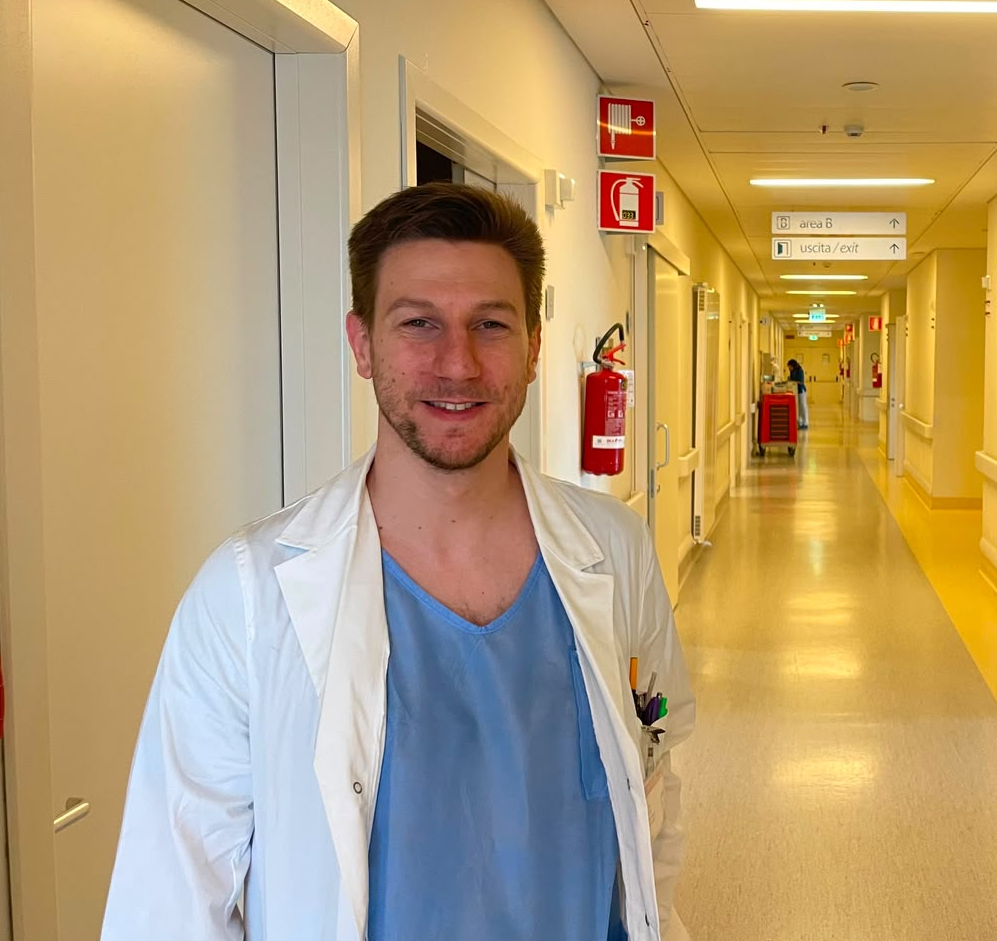
Visiting neurosurgeon

Alberto is a neurosurgeon and visiting researcher. He graduated in Medicine and Surgery from Università Cattolica del Sacro Cuore in Rome and completed his residency in Neurosurgery at Università degli Studi dell’Insubria. He is currently an attending neurosurgeon at Legnano Hospital, ASST Ovest Milanese. His work focuses on glioblastoma radiological and clinical heterogeneity and its clinical relevance. At the Kalebic Lab, he contributes a neurosurgical and clinical perspective to the study of glioblastoma stem cell morphotypes, investigating how distinct cellular states relate to tumor growth, imaging features and patient-specific disease behavior. By integrating surgical practice, clinical-radiological data and experimental cancer biology, he is interested in supporting prognostic stratification and identifying mechanisms leading to tailored therapeutic strategies.

Headshot of Emanuele Capra

Emanuele Capra

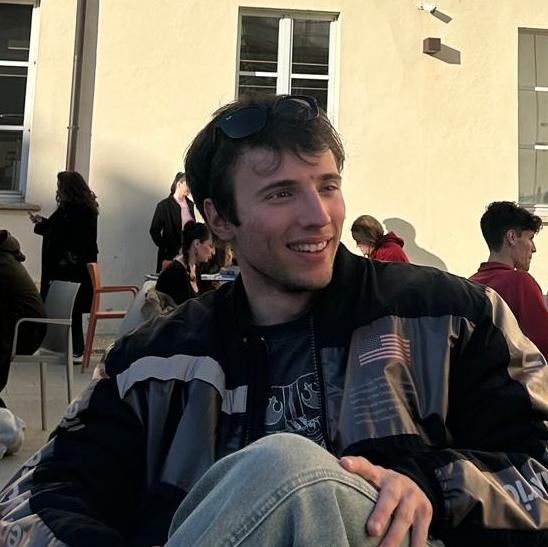
PhD Student

Emanuele is a neurobiologist interested in the cellular and molecular mechanisms that regulate neural progenitor biology during mammalian brain development. He graduated in Biology Applied to Biomedical Research at the University of Milan, where he studied the effects of combined pharmacological and nutrigenomic treatments in dystrophic mouse models in vivo. As a PhD student in the Kalebic Lab, Emanuele investigates how neural progenitor morphology is altered in Down syndrome, using both mouse models and human iPSC-derived cortical organoids. His work has also explored the role of various morphoregulatory proteins across mammalian and primate brain evolution. His expertise includes in vivo developmental models, including mouse and ferret, human brain organoids, and advanced microscopy and image analysis applied to the study of the morphoregulatory mechanisms underlying cortical development, evolution and disease.

Headshot of Daniele D'Angella

Daniele D'Angella

MSc student

Daniele is a Master’s student in Neurobiology at the University of Pavia. He is interested in cortical development and analysing neurodevelopmental processes that can be modelled with brain organoids. In the Kalebic Lab he works with PhD student Emanuele Capra and contributes to the characterization of neurodevelopmental phenotypes in iPSC-derived brain organoids modelling Down syndrome. His project aims at identifying alterations of the early stages of neurogenesis in Down syndrome organoids.

Headshot of Stefania Faletti

Stefania Faletti

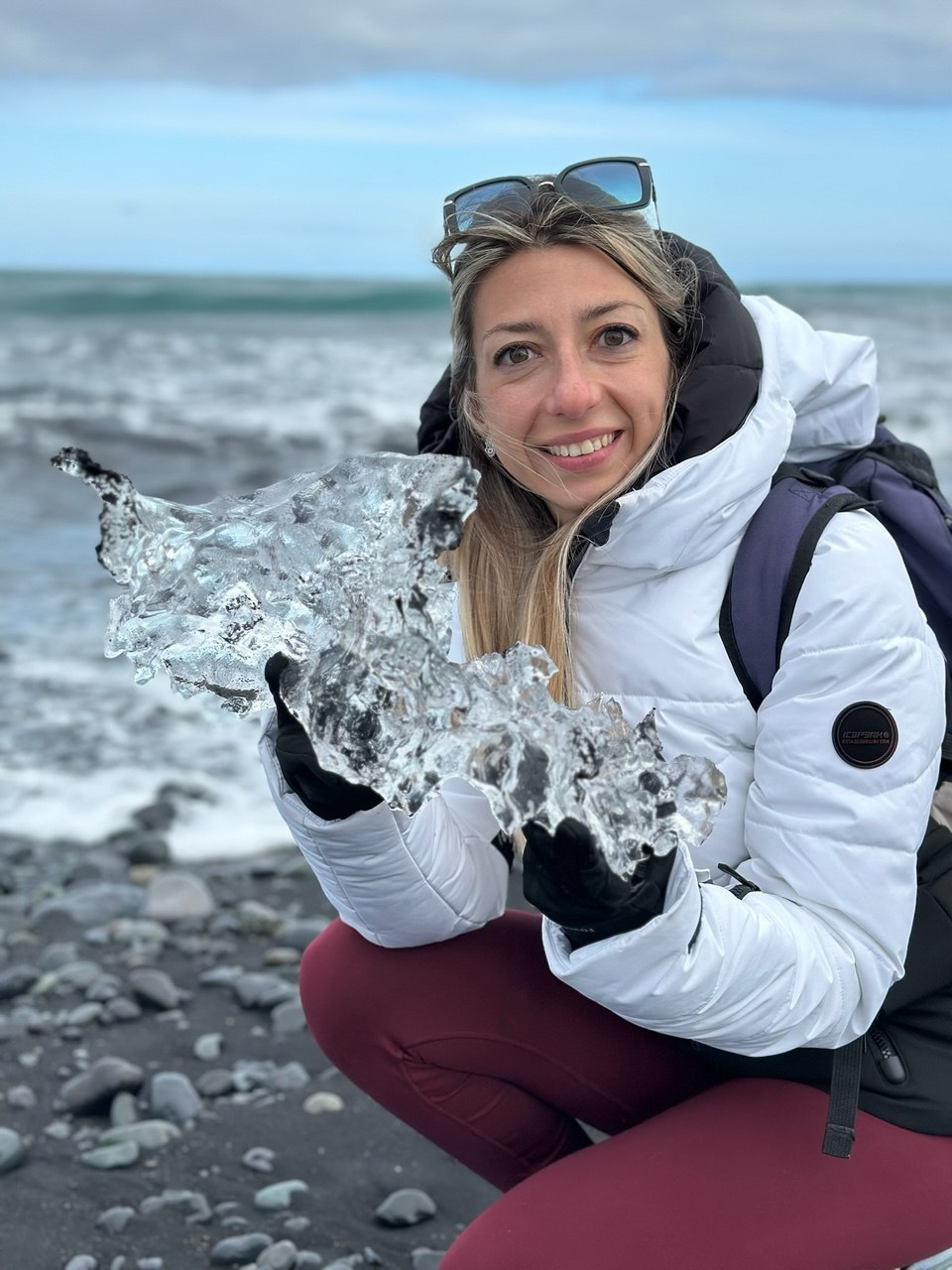
Postdoc

Stefania is a cancer biologist interested in dissecting glioblastoma complexity across scales, from molecular regulatory mechanisms to cancer stem cell behavior, to gain insight into glioblastoma biology and uncover new therapeutic vulnerabilities. She carried out her PhD in the laboratory at the European Institute of Oncology in Milan where she investigated the epigenetic regulation of glioblastoma stem cells and establishing a new patient derived preclinical model and deciphering the role of stem cells in brain metastatisation. She is currently a Postdoctoral Research Fellow in the Kalebic group at Human Technopole in Milan, where she studies how glioblastoma stem cells hijack morpho-regulatory programs normally active during neurodevelopment to sustain cancer aggressiveness. By integrating patient-derived organoids and glioblastoma stem cells, genomic profiling, quantitative imaging and orthotopic xenografts, her work aims to understand how stem cell morphology is established and how it shapes clinically relevant cellular properties. In this framework, she also investigates the prognostic and predictive value of stem cell morphology, as well as the possibility of identifying novel targetable morpho-regulators in glioblastoma.

Headshot of Flaminia Kaluthantrige Don

Flaminia Kaluthantrige Don

Postdoc

Flaminia is a developmental and stem cell biologist interested in how cellular heterogeneity and plasticity shape organ development and disease. Trained in developmental biology and organoid systems, she pursued her PhD between the Gurdon Institute at the University of Cambridge and the Max Planck Institute of Molecular Cell Biology and Genetics in Dresden, following the relocation of her lab. During this time, she developed a novel liver organoid model that faithfully captures the cellular heterogeneity of the ductal epithelium in vivo, establishing a powerful platform to study cellular plasticity, regeneration and disease processes in the liver. Working in an interdisciplinary environment of developmental biologists broadened her interests toward the development and evolution of other organs, particularly the brain. As a postdoctoral researcher in the lab of Nereo Kalebic at Human Technopole in Milan, she investigates human brain development using organoid models. Her research has uncovered distinct transcriptional signatures and developmental fates of basal radial glia in developing human brain organoids, providing new insight into the cellular mechanisms underlying cortical development and human brain complexity.

Headshot of Oliviero Leonardi

Oliviero Leonardi

Postdoc

Oliviero is a computational and molecular biologist working at the intersection of wet and dry lab, with a strong interest in using stem cell-derived models, gene editing, assembloids, transcriptomics and spatial technologies to disentangle complex cellular interactions in development and disease. He graduated in Medical Biotechnology and Molecular Medicine from the University of Milan and carried out his PhD at Human Technopole, where he investigated how regulatory variants contributed to brain evolution and increased susceptibility to neurodevelopmental disorders in humans. He is currently a Postdoctoral Researcher in the Kalebic lab, where he focuses on developing and characterizing an assembloid platform to study interactions between glioma cells and neurons, with a particular interest in Neurofibromatosis type 1. In parallel, he is developing AI-based image analysis approaches for the segmentation and quantitative characterization of neural progenitor morphology. Oliviero is passionate about data-driven molecular biology and transforming complex datasets into clear, visually compelling results that tell a coherent biological story.

Headshot of Federica Marinaro

Federica Marinaro

Senior project manager

Federica Marinaro is a neuroscientist by training. She studied at the University Federico II of Naples and received her PhD in Neurobiology from the University of Genoa, carried out at the Italian Institute of Technology. During her early research career, she studied nervous system cancers, cortical development and schizophrenia. She then moved to the laboratory of Professor Rick Livesey at the University of Cambridge and University College London, where she worked on neurodegeneration and Alzheimer’s disease using human brain tissue and single-cell approaches. After more than a decade in research, Federica transitioned into research management, driven by a strong interest in enabling collaborative, ambitious and cross-disciplinary science. Since 2022, she has been Senior Scientific Project Manager of the Neurogenomics Research Centre at Human Technopole, where she provides scientific and strategic support to neuroscience research groups. Within the Kalebic Lab, she contributes to the development of new research directions, fosters collaborations with academic and clinical partners and supports the coordination and progression of ongoing projects, acting as a key interface between scientific vision and project execution.

Headshot of Michela Passi

Michela Passi

PhD student

Michela is a pharmacist interested in brain development and physiology. She graduated in Pharmacy from the University of Milan and carried out her master’s thesis research at the Mario Negri Institute. In 2025, she joined the Kalebic Lab at Human Technopole as a PhD student. Her doctoral work uses brain organoids to study basal radial glia, the neural progenitors that are central to human cortical development. By integrating spatial transcriptomics with advanced imaging and super-resolution microscopy across the developmental trajectory, she explores the unique features of these cells and the molecular mechanisms that shape their identity and function.

Headshot of Luigi Tiradani

Luigi Tiradani

Lab manager

Luigi graduated in Biotechnology in Novara, then worked in both academia and start-ups. After a period as a laboratory technician at Tiget in Milan, he joined Human Technopole as Lab Manager of the Neurogenomics Centre. Luigi ensures that everything runs smoothly in the Centre’s laboratories, supporting researchers in their day-to-day work, and acting as a link between the research, administration and governance departments.

Headshot of Narges Yahyazadeh

Narges Yahyazadeh

Technician

Narges studied Microbiology at Ferdowsi University of Mashhad in Iran before moving to Italy to pursue a Master’s degree in Molecular Biology of the Cell at the University of Milan. During her Master’s thesis at IFOM institute in Milan, she investigated fibrosis-related mechanisms in a mechanobiology lab using advanced in vitro models and cell biology approaches. She later joined the Kalebic lab at Human Technopole as a neurobiology laboratory technician. Narges is interested in human neocortical development and in the cellular mechanisms underlying neurodevelopmental disorders and brain cancer. She works with stem cell-based and organoid models to study the molecular and cellular mechanisms regulating neural stem cell proliferation and brain development within the Flagship Research Program for Evolving diseases at Human Technopole. She also contributes to experimental systems for glioblastoma research, with a focus on how developmental pathways are altered in disease. Her expertise includes advanced cell culture, brain organoid systems, protocol optimization and experimental workflow management.

Lab alumni

  • Chiara Ossola (PhD student, 2020-2024)
  • Nikola Cokorac (PhD student, 2021-2025)
  • Giulia Villa (MSc student, 2022-2023)
  • Isabella Osei (MSc student, 2022-2023)
  • Viktoria Sokolova (MSc student, 2023)
  • Lea Imschweiler (Laboratory assistant, 2023)
  • Alex Digifico (BSc student, 2023)
  • Aigerim Nugmanova (MSc student, 2023-2024)
  • Luca Wagner (MSc student, 2023-2024)
  • Lucas Van Endert (MSc student, 2024-2025)
  • Negin Alizadehmohajer (Postgraduate fellow, 2024-2025)